Keeping your home clean is important, but regular cleaning alone is not always enough to remove hidden dirt, dust, and germs. Over time, areas such as behind furniture, inside appliances, and hard-to-reach corners can collect debris that everyday cleaning often misses. This is where a deep cleaning checklist becomes essential.
A deep cleaning checklist helps you clean every part of your home thoroughly, ensuring a healthier, fresher, and more organized living space. Unlike routine cleaning, deep cleaning focuses on neglected areas, stubborn stains, and built-up grime that can affect both the appearance and cleanliness of your home.
Whether you’re preparing for a new season, hosting guests, moving into a new house, or simply wanting a cleaner environment, following a structured deep cleaning checklist can make the process easier and more effective. It helps you stay organized, save time, and ensure that no important cleaning task is overlooked.
In this guide, you’ll find a complete room-by-room deep cleaning checklist, practical cleaning tips, commonly forgotten areas to clean, and simple strategies to keep your home spotless all year round. By following these steps, you can create a healthier and more comfortable home for yourself and your family.
What Is a Deep Cleaning Checklist?
A deep cleaning checklist is a detailed list of cleaning tasks designed to help you clean your home more thoroughly than regular daily or weekly cleaning. It covers areas that are often overlooked, such as behind appliances, inside cabinets, ceiling fans, baseboards, window tracks, and other hard-to-reach spaces where dust, dirt, and germs can build up over time.
Unlike routine cleaning, which focuses on visible surfaces and everyday messes, deep cleaning targets hidden dirt and stubborn grime to create a healthier and more sanitary living environment. Following a deep cleaning checklist helps ensure that every room in your home receives proper attention and that no important task is forgotten.
Understanding Deep Cleaning
Deep cleaning goes beyond simple dusting, vacuuming, and wiping surfaces. It involves cleaning areas that are not usually included in regular cleaning routines. This process helps remove bacteria, allergens, mold, pet hair, and accumulated dust that can affect both the appearance and air quality of your home. Deep Cleaning Checklist
Some common deep cleaning tasks include:
- Cleaning behind and underneath furniture
- Washing walls and baseboards
- Deep cleaning kitchen appliances
- Scrubbing bathroom tiles and grout
- Cleaning air vents and ceiling fans
- Washing curtains and blinds
- Organizing closets and storage spaces
Regular Cleaning vs. Deep Cleaning
Many people confuse regular cleaning with deep cleaning, but there are important differences between the two.
Regular Cleaning
- Performed daily or weekly
- Focuses on visible dirt and clutter
- Includes vacuuming, dusting, and surface cleaning
- Maintains general cleanliness
Deep Cleaning
- Performed monthly, seasonally, or annually Deep Cleaning Checklist
- Targets hidden dirt and hard-to-reach areas Deep Cleaning Checklist
- Includes detailed scrubbing and sanitizing Deep Cleaning Checklist
- Improves overall hygiene and home maintenance Deep Cleaning Checklist
Signs Your Home Needs a Deep Clean
Your home may need deep cleaning if you notice:
- Dust building up quickly after cleaning
- Unpleasant odors that won’t go away
- Stains on carpets, furniture, or walls
- Grease buildup in the kitchen
- Mold or mildew in bathrooms
- Cluttered closets and storage areas
- Dirty air vents and ceiling fans
How Often Should You Deep Clean?
The frequency of deep cleaning depends on your lifestyle, household size, and cleaning habits.
- Monthly: Kitchens and bathrooms
- Every 3–6 Months: Bedrooms and living areas
- Seasonally: Whole-house deep cleaning
- Annually: Complete home maintenance cleaning
By using a deep cleaning checklist regularly, you can maintain a cleaner, healthier, and more organized home while preventing dirt and clutter from becoming overwhelming.
You may also like to read these posts:
Best Furniture for Small Spaces
Benefits of Deep Cleaning Your Home
Deep cleaning does more than make your home look clean. It helps create a healthier, safer, and more comfortable living environment for everyone in your household. By following a regular deep cleaning checklist, you can remove hidden dirt, improve air quality, and keep your home in excellent condition throughout the year.
Improves Indoor Air Quality
Dust, pet dander, pollen, and other airborne particles can accumulate in carpets, furniture, curtains, and vents over time. Deep cleaning removes these pollutants, helping to improve indoor air quality and create a fresher environment.
Reduces Allergens and Dust
Hidden dust and allergens can trigger allergies and respiratory issues. Deep cleaning areas such as rugs, upholstery, bedding, and air vents helps reduce these irritants and promotes a healthier home.
Eliminates Germs and Bacteria
Regular surface cleaning may not remove all germs and bacteria. Deep cleaning focuses on sanitizing high-touch surfaces, bathrooms, kitchens, and other areas where harmful microorganisms can spread.
Removes Hidden Dirt and Grime
Many parts of the home are often overlooked during routine cleaning. Deep cleaning targets hard-to-reach places such as behind appliances, under furniture, ceiling fans, and baseboards, removing built-up dirt and grime.
Prevents Mold and Mildew Growth
Bathrooms, kitchens, and laundry rooms can develop moisture-related problems. Deep cleaning helps remove mold and mildew before they become larger issues, protecting both your home and your health.
Extends the Life of Furniture and Appliances
Dust, grease, and dirt can cause wear and tear on furniture, carpets, and household appliances. Regular deep cleaning helps maintain these items and may extend their lifespan.
Creates a More Organized Home
Deep cleaning often includes decluttering and organizing storage areas. This can make your home feel more spacious, reduce stress, and make it easier to find everyday items.
Improves the Appearance of Your Home
Clean windows, spotless floors, fresh-smelling rooms, and organized spaces can dramatically improve the overall appearance of your home and make it more welcoming.
Helps Reduce Stress
A clean and organized environment can have a positive impact on your mood and mental well-being. Many people find that living in a tidy home helps them feel more relaxed and productive.
Prepares Your Home for Special Occasions
Whether you’re expecting guests, moving, or preparing for a new season, deep cleaning ensures your home looks its best and is ready for any occasion.
Saves Time in the Long Run
While deep cleaning requires more effort initially, it prevents dirt and clutter from building up. This can make regular cleaning easier and reduce the amount of time needed for future cleaning tasks.
By making deep cleaning a regular part of your home maintenance routine, you can enjoy a cleaner, healthier, and more comfortable living space while protecting your home and belongings for years to come.
Preparing for a Deep Cleaning Session
Before you start working through your deep cleaning checklist, it’s important to prepare properly. A little planning can make the entire process faster, easier, and more effective. By organizing your supplies and creating a clear plan, you can avoid unnecessary interruptions and complete your deep cleaning tasks more efficiently.
Gather All Cleaning Supplies
Having the right tools and products on hand will save time and help you achieve better results.
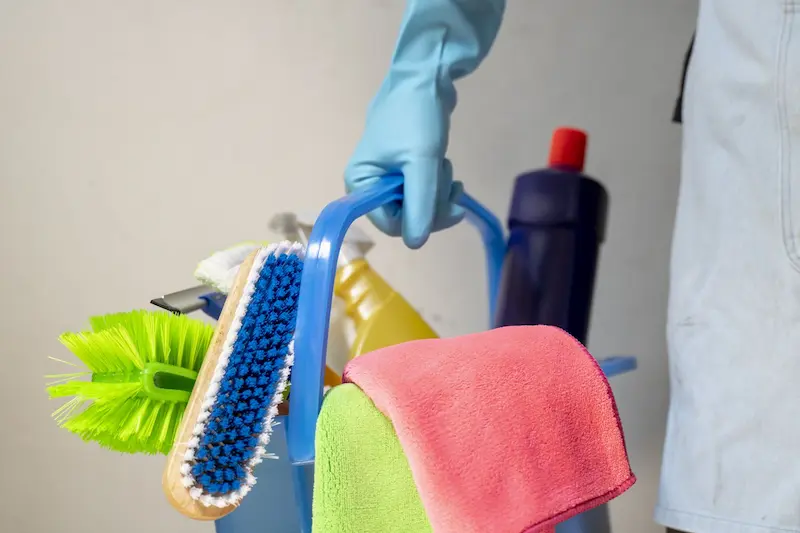
Essential cleaning supplies include:
- Microfiber cloths
- Vacuum cleaner
- Mop and bucket
- All-purpose cleaner
- Disinfectant spray
- Glass cleaner
- Scrub brushes
- Sponges
- Rubber gloves
- Trash bags
- Storage bins
Make sure your supplies are fully stocked before you begin so you don’t have to stop in the middle of cleaning.
Create a Cleaning Plan
Deep cleaning an entire home can feel overwhelming without a plan. Create a checklist and decide which rooms you will clean first.
You can:
- Clean one room at a time
- Focus on high-priority areas first
- Divide tasks over several days
- Set realistic cleaning goals
A structured plan helps you stay organized and ensures nothing is missed.
Declutter Before Cleaning
Cleaning around clutter makes the process more difficult and less effective.
Before deep cleaning:
- Put items back in their proper places
- Throw away broken or unnecessary items
- Donate things you no longer use
- Organize shelves, drawers, and closets
Decluttering first allows you to clean surfaces thoroughly and create a more organized space.
Open Windows for Ventilation
Fresh air helps remove odors and improves airflow while cleaning.
Benefits of proper ventilation include:
- Faster drying surfaces
- Reduced exposure to cleaning product fumes
- Fresher indoor air
- Better overall comfort while cleaning
Open windows whenever possible, especially when using strong cleaning products.
Protect Yourself While Cleaning
Deep cleaning often involves chemicals, dust, and heavy lifting.
To stay safe:
- Wear rubber gloves
- Use a face mask if dust levels are high
- Follow product instructions carefully
- Lift heavy items properly
- Keep cleaning products away from children and pets
Safety should always be a priority during any cleaning project.
Prepare Storage Solutions
Deep cleaning often uncovers items that need to be organized.
Have storage supplies ready, such as:
- Baskets
- Storage bins
- Drawer organizers
- Labels
- Shelving containers
These tools can help keep your home organized after cleaning is complete.
Set Aside Enough Time
Deep cleaning takes longer than routine cleaning, so plan accordingly.
Consider:
- Cleaning one room per day
- Scheduling cleaning on weekends
- Taking short breaks between tasks
- Avoiding rushing through important areas
Allowing enough time helps you clean thoroughly and avoid feeling overwhelmed.
Make a Room-by-Room Checklist
A room-by-room checklist helps ensure that no task is forgotten.
Include areas such as:
- Kitchen
- Bathroom
- Living room
- Bedrooms
- Dining room
- Home office
- Laundry room
- Entryway
Checking off completed tasks can help you stay motivated throughout the process.
Get the Family Involved
Deep cleaning is easier when everyone contributes.
You can:
- Assign age-appropriate tasks
- Divide rooms among family members
- Set cleaning goals together
- Turn cleaning into a team activity
Working together can significantly reduce the time required to deep clean your home.
Stay Focused and Organized
Avoid moving from room to room without finishing tasks. Complete one area before starting another to maintain momentum and achieve better results.
Proper preparation is one of the most important parts of a successful deep cleaning session. With the right supplies, a clear plan, and an organized approach, you’ll be ready to tackle your deep cleaning checklist and transform your home into a cleaner, healthier, and more comfortable space.
What Is a Deep Cleaning Checklist?
A deep cleaning checklist is a detailed list of cleaning tasks designed to clean every area of your home thoroughly. It includes hard-to-reach places, hidden spaces, and areas that are often overlooked during regular cleaning.
How Is Deep Cleaning Different From Regular Cleaning?
Regular cleaning focuses on everyday tasks such as dusting, vacuuming, and wiping surfaces. Deep cleaning goes further by removing built-up dirt, grime, and bacteria from areas like baseboards, appliances, ceiling fans, and behind furniture.
How Often Should I Deep Clean My House?
Most homes benefit from a deep cleaning every three to six months. However, kitchens and bathrooms may require monthly deep cleaning, while a whole-house deep clean is often recommended seasonally.
Conclusion
A well-planned deep cleaning checklist is one of the best tools for maintaining a clean, healthy, and organized home. While regular cleaning helps manage everyday messes, deep cleaning targets hidden dirt, dust, allergens, and bacteria that can build up over time. By focusing on every room and paying attention to often-forgotten areas, you can create a fresher and more comfortable living environment.
The key to successful deep cleaning is preparation, consistency, and following a structured checklist. Whether you deep clean your home seasonally or a few times a year, staying on top of these tasks can improve indoor air quality, protect your furniture and appliances, and make daily cleaning much easier.
Remember, you don’t have to complete everything in one day. Take a room-by-room approach, work at your own pace, and focus on making steady progress. With the right deep cleaning checklist and a regular cleaning routine, you can enjoy a spotless, organized, and healthier home all year long.