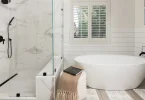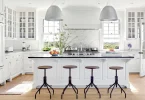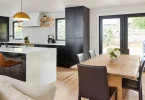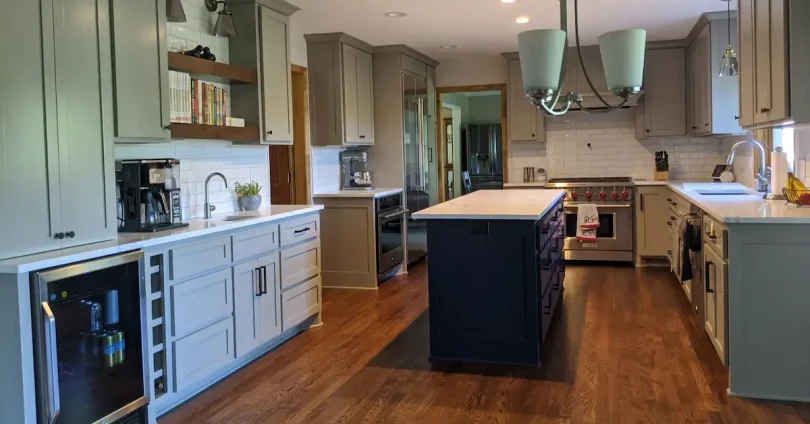

Home remodeling is one of the best ways to improve the comfort, functionality, and value of your property. Whether you want to update an outdated room, create more living space, or give your home a fresh new look, the right home remodeling ideas can help you achieve your goals while making your home more enjoyable to live in.
A successful remodel doesn’t always require a complete renovation. Sometimes, simple upgrades such as modernizing a kitchen, refreshing a bathroom, improving storage, or enhancing natural light can make a significant difference. By focusing on areas that have the greatest impact, homeowners can create beautiful and practical spaces that better suit their lifestyle and needs.
From open-concept living areas and stylish kitchen upgrades to smart home technology and energy-efficient improvements, there are countless ways to transform your home. The key is to plan carefully, set a realistic budget, and choose remodeling projects that provide long-term value.
In this guide, we’ll explore some of the best home remodeling ideas to help you upgrade your space, increase your home’s value, and create a more comfortable and modern living environment.
Planning Your Home Remodeling Project
Before starting any remodeling project, it’s important to have a clear plan. Proper planning helps you stay on budget, avoid costly mistakes, and achieve the results you want. Whether you’re remodeling a single room or your entire home, taking time to prepare can make the process smoother and more successful.
Define Your Remodeling Goals
Start by identifying why you want to remodel your home. Having clear goals will help you make better decisions throughout the project.
Common remodeling goals include:
- Improving functionality and comfort
- Modernizing outdated spaces
- Increasing storage and organization
- Creating more living space
- Boosting property value
- Improving energy efficiency
Write down your priorities so you can focus on the upgrades that matter most.
Create a Realistic Budget
A budget is one of the most important parts of any remodeling project. Knowing how much you can spend will help you avoid overspending and stay focused on essential improvements.
Budget planning tips:
- Research material and labor costs.
- Compare prices from different suppliers.
- Set aside 10–15% for unexpected expenses.
- Prioritize projects with the highest return on investment.
A realistic budget helps prevent financial stress and keeps your project on track.
Decide Which Areas Need Remodeling
Not every room needs a complete makeover. Focus on spaces that will provide the greatest benefits.
Popular remodeling areas include:
- Kitchens
- Bathrooms
- Living rooms
- Bedrooms
- Home offices
- Basements
- Outdoor living spaces
Choose projects that improve both functionality and appearance.
Create a Remodeling Timeline
Having a timeline helps you stay organized and manage expectations.
Benefits of a timeline:
- Keeps projects on schedule
- Helps coordinate contractors
- Reduces delays
- Makes budgeting easier
For larger remodels, consider completing projects in phases to spread out costs.
Consider Your Lifestyle Needs
Your remodeling project should support how you live every day.
Questions to ask yourself:
- Do you need more storage?
- Is your family growing?
- Do you work from home?
- Do you entertain guests frequently?
Designing around your lifestyle ensures your remodel remains practical and useful for years to come.
Choose Quality Materials
While it may be tempting to cut costs, choosing durable materials often saves money in the long run.
Popular material options include:
- Quartz countertops
- Hardwood or luxury vinyl flooring
- Energy-efficient windows
- Durable cabinetry
- Water-resistant bathroom materials
Quality materials improve durability, appearance, and overall value.
Hire the Right Professionals
For major remodeling projects, experienced contractors can help ensure quality results.
Before hiring a contractor:
- Check reviews and references.
- Verify licenses and insurance.
- Request detailed estimates.
- Review previous work.
Working with qualified professionals can prevent costly mistakes and improve project outcomes.
Plan for Future Needs
Home remodeling is a long-term investment. Consider features that will remain functional and attractive in the future.
Future-friendly upgrades include:
- Energy-efficient appliances
- Smart home technology
- Flexible storage solutions
- Accessible design features
- Durable finishes
These improvements can increase comfort while adding long-term value to your home.
Avoid Common Remodeling Mistakes
Many homeowners encounter problems because they rush into renovations without proper planning.
Common mistakes include:
- Underestimating costs
- Ignoring storage needs
- Following short-term trends
- Choosing style over functionality
- Starting without a clear plan
Avoiding these mistakes can save time, money, and frustration.
Final Thoughts
Careful planning is the foundation of every successful remodeling project. By setting clear goals, creating a realistic budget, choosing the right materials, and focusing on your family’s needs, you can make informed decisions and achieve better results. A well-planned remodel not only improves your home’s appearance but also enhances comfort, functionality, and long-term value.
You may also like to read these posts:
Best Furniture for Small Spaces
Open-Concept Living Room Ideas
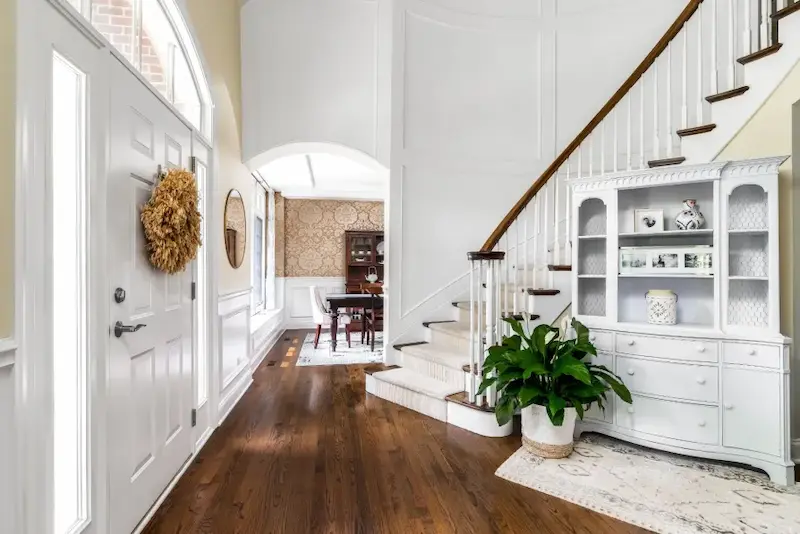
One of the most popular home remodeling ideas today is creating an open-concept living space. Open floor plans make homes feel larger, brighter, and more welcoming by reducing barriers between rooms. This design style improves the flow of natural light and creates a better connection between living areas, making it ideal for both families and entertaining guests.
Whether you’re remodeling an older home or updating a modern space, an open-concept layout can dramatically improve the functionality and appearance of your home.
Remove Non-Structural Walls
Many older homes have separate rooms that can feel small and closed off. Removing non-structural walls can help create a more spacious and connected environment.
Benefits of removing walls:
- Improves room flow
- Creates a larger appearance
- Allows more natural light
- Enhances social interaction
Before removing any wall, consult a professional to determine whether it is load-bearing.
Combine the Living Room and Dining Area
Merging the living room and dining room is a common remodeling strategy that creates a more flexible living space.
Advantages include:
- Better use of available space
- Easier entertaining
- Improved family interaction
- Modern and airy appearance
Using area rugs and furniture placement can help define each zone without adding walls.
Connect the Kitchen and Living Room
An open kitchen layout allows homeowners to cook, socialize, and supervise children more easily.
Popular ways to connect these spaces:
- Add a kitchen island
- Install a breakfast bar
- Remove dividing walls
- Use matching flooring throughout the area
This design creates a seamless flow between cooking, dining, and relaxation areas.
Maximize Natural Light
Natural light is one of the biggest advantages of open-concept designs.
Ways to increase natural light:
- Install larger windows
- Add sliding glass doors
- Use light-colored walls
- Incorporate mirrors to reflect light
A brighter home often feels larger, cleaner, and more inviting.
Create Defined Zones
Even in an open layout, it’s important to create separate areas for different activities.
Ways to define spaces include:
- Area rugs
- Furniture arrangements
- Lighting fixtures
- Decorative shelving
- Accent walls
These design elements help maintain organization while preserving the open feel.
Choose Consistent Flooring
Using the same flooring throughout connected spaces helps create a unified appearance.
Popular flooring options include:
- Hardwood flooring
- Luxury vinyl plank flooring
- Engineered wood flooring
- Large-format tile
Consistent flooring makes the home feel more spacious and visually connected.
Use Smart Storage Solutions
Open spaces can quickly become cluttered without proper storage.
Storage ideas include:
- Built-in cabinets
- Floating shelves
- Storage benches
- Multi-functional furniture
Keeping clutter under control helps maintain the clean and modern look of an open-concept design.
Upgrade Lighting for an Open Layout
Lighting helps define different areas while improving functionality.
Recommended lighting options:
- Pendant lights above kitchen islands
- Recessed ceiling lights
- Floor lamps in seating areas
- Statement chandeliers over dining tables
Layered lighting creates warmth and visual interest throughout the space.
Benefits of an Open-Concept Living Space
Homeowners continue to choose open layouts because they offer numerous advantages:
- Makes homes feel larger
- Improves natural light distribution
- Encourages family interaction
- Enhances entertaining opportunities
- Creates a modern appearance home remodeling ideas
- Increases overall functionality
Final Thoughts
Open-concept living spaces remain one of the most effective home remodeling ideas for modern homes. By removing unnecessary barriers, maximizing natural light, creating functional zones, and incorporating smart storage solutions, you can transform your home into a bright, spacious, and welcoming environment. With thoughtful planning, an open floor plan can improve both everyday living and long-term property value. home remodeling ideas
Open-Concept Living Room Ideas
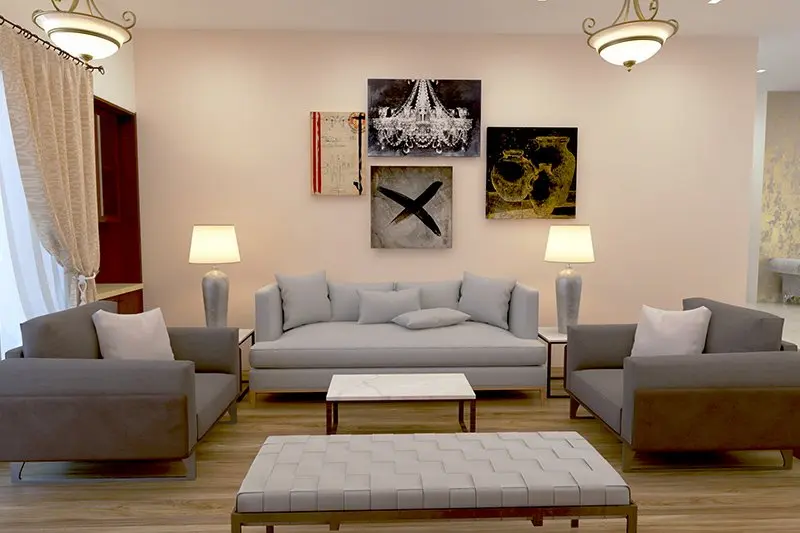
One of the most popular home remodeling ideas today is creating an open-concept living space. Open floor plans make homes feel larger, brighter, and more welcoming by reducing barriers between rooms. This design style improves the flow of natural light and creates a better connection between living areas, making it ideal for both families and entertaining guests.
Whether you’re remodeling an older home or updating a modern space, an open-concept layout can dramatically improve the functionality and appearance of your home.
Remove Non-Structural Walls
Many older homes have separate rooms that can feel small and closed off. Removing non-structural walls can help create a more spacious and connected environment. home remodeling ideas
Benefits of removing walls:
- Improves room flow
- Creates a larger appearance
- Allows more natural light home remodeling ideas
- Enhances social interaction
Before removing any wall, consult a professional to determine whether it is load-bearing.
Combine the Living Room and Dining Area
Merging the living room and dining room is a common remodeling strategy that creates a more flexible living space.
Advantages include:
- Better use of available space
- Easier entertaining home remodeling ideas
- Improved family interaction
- Modern and airy appearance
Using area rugs and furniture placement can help define each zone without adding walls.
Connect the Kitchen and Living Room
An open kitchen layout allows homeowners to cook, socialize, and supervise children more easily.
Popular ways to connect these spaces:
- Add a kitchen island
- Install a breakfast bar
- Remove dividing walls home remodeling ideas
- Use matching flooring throughout the area
This design creates a seamless flow between cooking, dining, and relaxation areas.
Maximize Natural Light
Natural light is one of the biggest advantages of open-concept designs.
Ways to increase natural light:
- Install larger windows
- Add sliding glass doors home remodeling ideas
- Use light-colored walls
- Incorporate mirrors to reflect light
A brighter home often feels larger, cleaner, and more inviting.
Create Defined Zones
Even in an open layout, it’s important to create separate areas for different activities.
Ways to define spaces include:
- Area rugs
- Furniture arrangements
- Lighting fixtures home remodeling ideas
- Decorative shelving
- Accent walls
These design elements help maintain organization while preserving the open feel.
Choose Consistent Flooring
Using the same flooring throughout connected spaces helps create a unified appearance.
Popular flooring options include:
- Hardwood flooring home remodeling ideas
- Luxury vinyl plank flooring
- Engineered wood flooring
- Large-format tile
Consistent flooring makes the home feel more spacious and visually connected.
Use Smart Storage Solutions
Open spaces can quickly become cluttered without proper storage.
Storage ideas include:
- Built-in cabinets
- Floating shelves home remodeling ideas
- Storage benches
- Multi-functional furniture
Keeping clutter under control helps maintain the clean and modern look of an open-concept design.
Upgrade Lighting for an Open Layout
Lighting helps define different areas while improving functionality.
Recommended lighting options:
- Pendant lights above kitchen islands
- Recessed ceiling lights home remodeling ideas
- Floor lamps in seating areas
- Statement chandeliers over dining tables
Layered lighting creates warmth and visual interest throughout the space.
Benefits of an Open-Concept Living Space
Homeowners continue to choose open layouts because they offer numerous advantages:
- Makes homes feel larger
- Improves natural light distribution
- Encourages family interaction home remodeling ideas
- Enhances entertaining opportunities
- Creates a modern appearance
- Increases overall functionality
Final Thoughts
Open-concept living spaces remain one of the most effective home remodeling ideas for modern homes. By removing unnecessary barriers, maximizing natural light, creating functional zones, and incorporating smart storage solutions, you can transform your home into a bright, spacious, and welcoming environment. With thoughtful planning, an open floor plan can improve both everyday living and long-term property value.
What are the best home remodeling ideas?
Some of the best home remodeling ideas include upgrading your kitchen, remodeling bathrooms, creating an open-concept layout, improving storage solutions, updating flooring, and adding energy-efficient features.
How much does a home remodeling project cost?
The cost of a home remodel depends on the size of the project, materials used, and labor costs. Small remodeling projects may cost a few thousand dollars, while major renovations can require a much larger investment.
Which home remodeling projects add the most value?
Kitchen renovations, bathroom upgrades, energy-efficient improvements, finished basements, and outdoor living spaces often provide the highest return on investment and can increase your home’s resale value.
Conclusion
Exploring the right home remodeling ideas can help you transform your house into a more comfortable, functional, and attractive living space. Whether you’re updating your kitchen, remodeling a bathroom, creating an open-concept layout, or improving storage throughout your home, thoughtful renovations can make a significant difference in your daily life. home remodeling ideas
The key to a successful remodeling project is careful planning, setting a realistic budget, and focusing on improvements that match your lifestyle and long-term goals. By choosing high-impact upgrades and investing in quality materials, you can create spaces that not only look great but also add lasting value to your property. home remodeling ideas
Remember, you don’t have to remodel your entire home at once. Even small changes can improve the appearance and functionality of your space. Start with the areas that need the most attention, prioritize your goals, and take your remodeling project one step at a time.
With the right home remodeling ideas and a clear plan, you can create a home that better suits your needs, reflects your personal style, and provides comfort and enjoyment for years to come.