DIY home improvement projects are a great way to upgrade your living space without spending a lot of money. Instead of hiring professionals for every small task, homeowners can complete many improvement projects themselves using basic tools, simple materials, and a little creativity. From painting walls and installing shelves to updating kitchen cabinets and improving outdoor spaces, DIY projects can make a noticeable difference in both the appearance and functionality of your home.
One of the biggest advantages of DIY home improvement projects is the opportunity to save money while learning valuable skills. Many beginner-friendly projects require minimal experience and can be completed over a weekend. These upgrades not only improve your home’s comfort and style but can also increase its overall value.
Whether you are looking to refresh a single room or make improvements throughout your entire house, there are plenty of DIY projects that fit every budget and skill level. With proper planning, the right tools, and a step-by-step approach, you can successfully complete projects that enhance your home and give you a sense of accomplishment.
In this guide, we will explore some of the best DIY home improvement projects, helpful planning tips, essential tools, and practical ideas that can help you transform your home with confidence.
Why Choose DIY Home Improvement Projects?
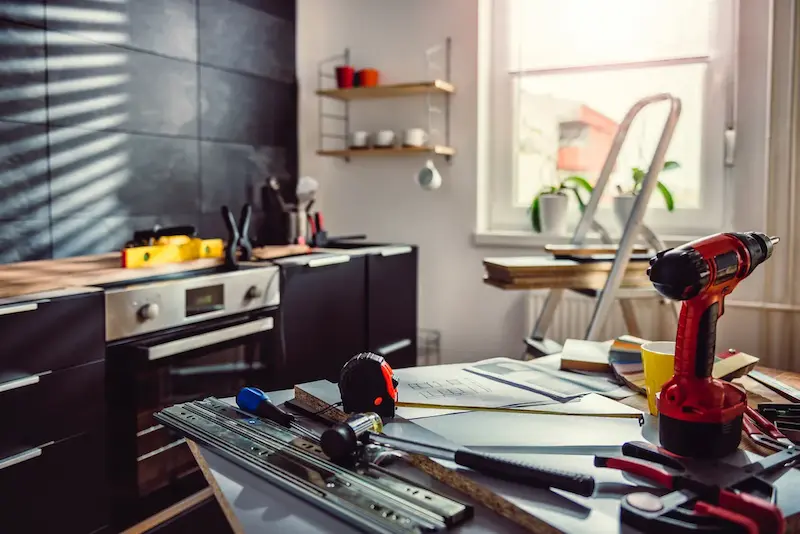
DIY home improvement projects have become increasingly popular because they allow homeowners to improve their living spaces while saving money. Whether you want to refresh a room, add storage, or increase your home’s value, DIY projects provide a practical and rewarding solution. With the right planning and tools, even beginners can complete many home improvement tasks successfully.
Save Money on Home Upgrades
One of the biggest reasons people choose DIY home improvement projects is to reduce costs. Hiring professionals can be expensive, especially for simple upgrades that you can do yourself. By handling the work on your own, you can save on labor costs and use your budget for quality materials and additional improvements.
Learn Valuable Skills
DIY projects provide an excellent opportunity to learn new skills. As you complete different tasks, you gain hands-on experience with painting, woodworking, basic repairs, and home maintenance. These skills can be useful for future projects and help you become more confident in handling household improvements. DIY Home Improvement Projects
Customize Your Home
Every homeowner has unique preferences and design ideas. DIY home improvement projects give you complete control over the final result. You can choose colors, materials, layouts, and decorative elements that match your personal style and create a home that feels truly your own.
Increase Property Value
Many DIY projects can improve your home’s market value. Upgrades such as painting walls, improving curb appeal, updating fixtures, and enhancing storage spaces make your property more attractive and functional. These improvements can provide a strong return on investment if you decide to sell your home in the future.
Enjoy a Sense of Accomplishment
Completing a home improvement project on your own can be very rewarding. Seeing the results of your hard work creates a sense of pride and achievement. Even small projects can boost your confidence and motivate you to take on larger improvements over time.
Improve Home Functionality
DIY projects can help make your home more practical and organized. Adding shelves, creating storage solutions, upgrading lighting, and improving room layouts can make everyday life easier and more comfortable for your family.
Work at Your Own Pace
Unlike professional renovation projects that follow strict schedules, DIY home improvement projects allow you to work according to your own timeline. You can complete tasks on weekends, during free time, or whenever it fits your schedule, making the process less stressful and more enjoyable.
Choosing DIY home improvement projects is a smart way to improve your home while saving money, learning new skills, and creating a space that reflects your personality. With careful planning and the right approach, DIY upgrades can deliver impressive results that you can enjoy for years to come.
Planning Your DIY Home Improvement Project
Proper planning is one of the most important steps in any DIY home improvement project. A well-planned project helps you save time, stay within budget, avoid mistakes, and achieve better results. Before picking up your tools, take some time to organize your ideas and prepare for the work ahead.
Set Clear Goals
Start by deciding exactly what you want to accomplish. Are you trying to improve the appearance of a room, add more storage, increase home value, or make your home more functional? Having a clear goal will help you choose the right project and stay focused throughout the process.
Create a Realistic Budget
Before starting any DIY project, determine how much money you are willing to spend. Make a list of all materials, tools, and supplies you may need. Setting a budget helps prevent overspending and ensures that you can complete the project without financial stress.
Measure and Plan Carefully
Accurate measurements are essential for successful DIY projects. Measure walls, floors, windows, or furniture before purchasing materials. Taking the time to plan dimensions correctly can help you avoid costly mistakes and wasted materials.
Gather the Right Tools and Materials
Having the proper tools makes DIY work easier and safer. Basic tools such as a hammer, screwdriver set, measuring tape, drill, and level are useful for many home improvement projects. Make sure all necessary materials are ready before you begin.
Research the Project
If you are attempting a new project, spend some time learning the process. Read guides, watch tutorials, and understand each step before starting. Proper research can help you avoid common mistakes and improve the quality of your work.
Create a Step-by-Step Schedule
Large projects can feel overwhelming if you try to do everything at once. Break the project into smaller tasks and create a simple schedule. Completing one step at a time helps keep the project organized and manageable.
Prioritize Safety
Safety should always come first when working on DIY home improvement projects. Wear protective equipment such as safety glasses, gloves, and dust masks when necessary. Always follow tool instructions and avoid taking unnecessary risks.
Prepare Your Workspace
A clean and organized workspace makes projects easier to complete. Remove obstacles, protect nearby furniture, and keep tools organized. Proper preparation can improve efficiency and reduce accidents.
Have a Backup Plan
Unexpected challenges can occur during any DIY project. Materials may run short, measurements may need adjustments, or hidden issues may appear. Having extra materials and a flexible plan can help you handle problems without major delays.
Know When to Call a Professional
While many DIY home improvement projects are beginner-friendly, some jobs require professional expertise. Electrical work, major plumbing repairs, structural changes, and roofing projects should often be handled by qualified professionals to ensure safety and compliance with local regulations.
Careful planning is the foundation of every successful DIY home improvement project. By setting clear goals, creating a budget, gathering the right tools, and following a step-by-step plan, you can complete your project more efficiently and achieve results you will be proud of.
You may also like to read these posts:
Best Furniture for Small Spaces
Essential DIY Tools for Beginners
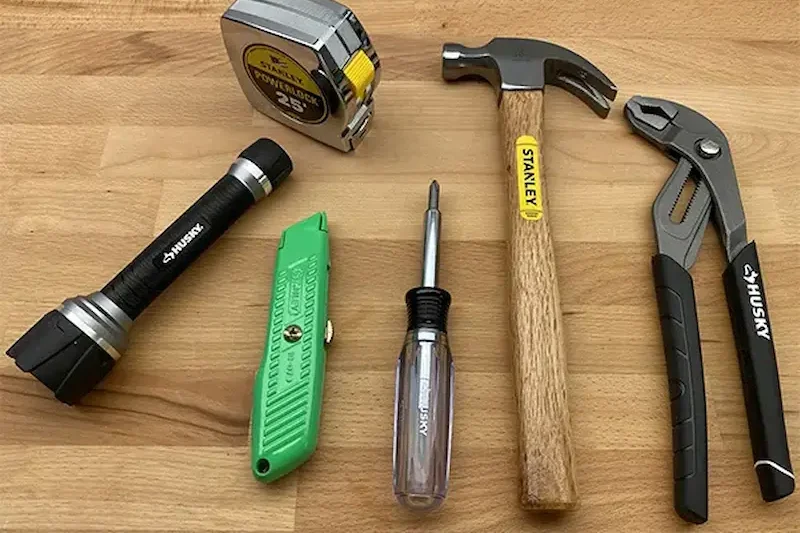
Having the right tools is essential for completing DIY home improvement projects safely and efficiently. While some advanced projects may require specialized equipment, most beginner-friendly tasks can be completed with a basic set of tools. Investing in quality tools can make your projects easier and provide long-term value for future home improvements.
Hammer
A hammer is one of the most important tools for any homeowner. It is useful for driving nails, removing old nails, and completing a variety of simple repair projects. A standard claw hammer is a great choice for beginners.
Screwdriver Set
A screwdriver set is essential for assembling furniture, tightening hardware, installing fixtures, and handling minor repairs. Having both flat-head and Phillips-head screwdrivers will prepare you for most household tasks.
Measuring Tape
Accurate measurements are critical for successful DIY projects. A measuring tape helps ensure that shelves, furniture, cabinets, and decorations fit properly. Measuring carefully can save time, money, and frustration.
Utility Knife
A utility knife is useful for cutting cardboard, trimming materials, opening packages, and completing various home improvement tasks. Choose a durable knife with replaceable blades for long-lasting performance.
Cordless Drill
A cordless drill is one of the most versatile power tools you can own. It can drill holes, drive screws, and help with a wide range of DIY projects. A rechargeable cordless model provides convenience and portability.
Level
A level helps ensure that shelves, pictures, cabinets, and other installations are perfectly straight. Using a level can improve the appearance and professionalism of your finished work.
Pliers
Pliers are useful for gripping, bending, and cutting wires or small materials. They can assist with plumbing repairs, electrical work, and general household maintenance tasks.
Adjustable Wrench
An adjustable wrench allows you to tighten or loosen nuts and bolts of different sizes. It is especially useful for plumbing repairs and furniture assembly projects.
Stud Finder
A stud finder helps locate wall studs behind drywall. This tool is important when installing shelves, televisions, heavy mirrors, and other items that require secure mounting.
Safety Equipment
Safety should always be a priority during DIY home improvement projects. Essential safety equipment includes:
- Safety glasses to protect your eyes
- Work gloves to protect your hands
- Dust masks for sanding and painting projects
- Ear protection when using loud power tools
Tool Storage Box
Keeping your tools organized can save time and reduce frustration. A toolbox or storage organizer makes it easier to find the tools you need and keeps your workspace tidy.
Ladder
A sturdy ladder is helpful for painting walls, changing light fixtures, cleaning gutters, and reaching high shelves. Always use a ladder safely and follow the manufacturer’s guidelines.
By building a collection of these essential DIY tools, beginners can confidently tackle a wide variety of home improvement projects. The right tools not only make work easier but also help produce safer and more professional-looking results.
What are the easiest DIY home improvement projects for beginners?
Some of the easiest DIY home improvement projects include painting walls, installing floating shelves, replacing cabinet handles, updating light fixtures, and organizing storage spaces. These projects require basic tools and can usually be completed in a short amount of time.
How much money can DIY home improvement projects save?
DIY home improvement projects can save a significant amount of money because you avoid paying labor costs. The exact savings depend on the project, but many homeowners save hundreds or even thousands of dollars by completing simple upgrades themselves.
What tools should every DIY beginner own?
Every beginner should have a basic toolkit that includes a hammer, screwdriver set, measuring tape, utility knife, cordless drill, pliers, adjustable wrench, level, and safety equipment such as gloves and safety glasses.
Conclusion
DIY home improvement projects are an excellent way to enhance your home’s appearance, functionality, and value without spending a fortune. From painting walls and installing shelves to upgrading kitchens and improving outdoor spaces, there are countless projects that homeowners can complete with basic tools and a little effort.
One of the greatest benefits of DIY projects is the opportunity to save money while learning valuable skills. By carefully planning each project, using the right tools, and following safety guidelines, even beginners can achieve professional-looking results. Small improvements can make a big difference in creating a more comfortable and attractive living environment.
Whether you want to refresh a single room or tackle multiple upgrades throughout your home, DIY home improvement projects offer a rewarding and cost-effective solution. Start with simple tasks, build your confidence, and gradually take on larger projects. With patience and creativity, you can transform your home into a space that better reflects your style, meets your needs, and provides lasting value for years to come.