
If you’ve ever walked into your room and felt like something just doesn’t feel right—even though everything is clean and in place—then you’re not alone. Most of the time, the issue is not the furniture itself, but how it is arranged.
Good furniture arrangement ideas can completely change the way a room looks, feels, and even functions. You don’t always need new furniture or expensive décor; sometimes just moving things around can make your space feel bigger, brighter, and more comfortable.
Let’s go step by step and explore how you can improve your home like a pro, in a simple and practical way.
Why Furniture Arrangement Matters So Much
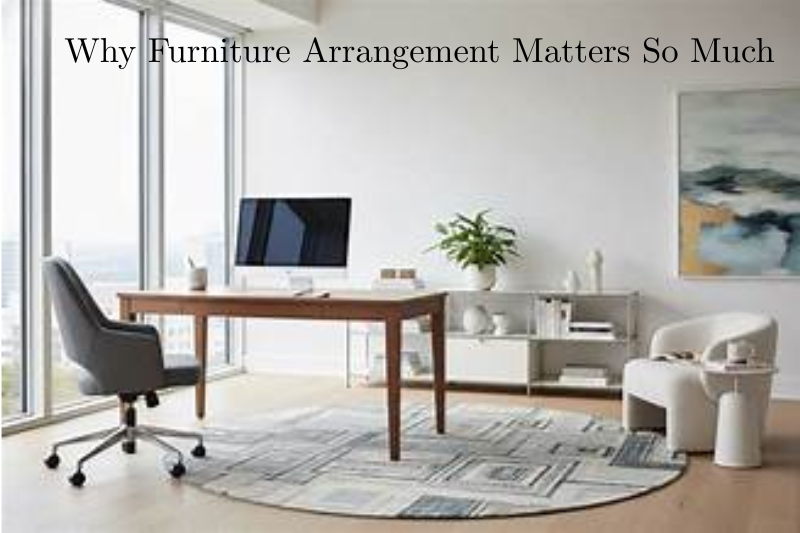
Before jumping into techniques, it’s important to understand why arrangement is such a big deal.
Furniture is not just decoration—it directly affects:
- How you move in a room
- How spacious it feels
- How comfortable you are
- How functional the space becomes
Even expensive furniture can look messy or awkward if placed poorly. On the other hand, simple furniture can look premium when arranged properly.
That’s the real power of furniture arrangement ideas.
Smart Furniture Arrangement Ideas for Any Room
Now let’s go deeper into practical strategies you can apply in your home.
1. Start with a Clear Purpose of the Room
Every room should have a main function.
Ask yourself:
- Is this a relaxing space?
- Is it for working or studying?
- Is it for entertaining guests?
Once you define the purpose, your furniture placement becomes much easier.
For example:
- Living room → conversation + relaxation
- Bedroom → calm + rest
- Office → focus + productivity
This is the foundation of all effective furniture arrangement ideas.
2. Avoid Pushing Everything Against the Walls
This is one of the biggest mistakes people make.
When furniture is pushed to the walls:
- The center feels empty
- The room looks disconnected
- It loses warmth and design flow
Instead, try:
- Pulling sofa slightly inward
- Creating a central seating zone
- Leaving space behind furniture when possible
This makes the room feel more “designed” rather than randomly placed.
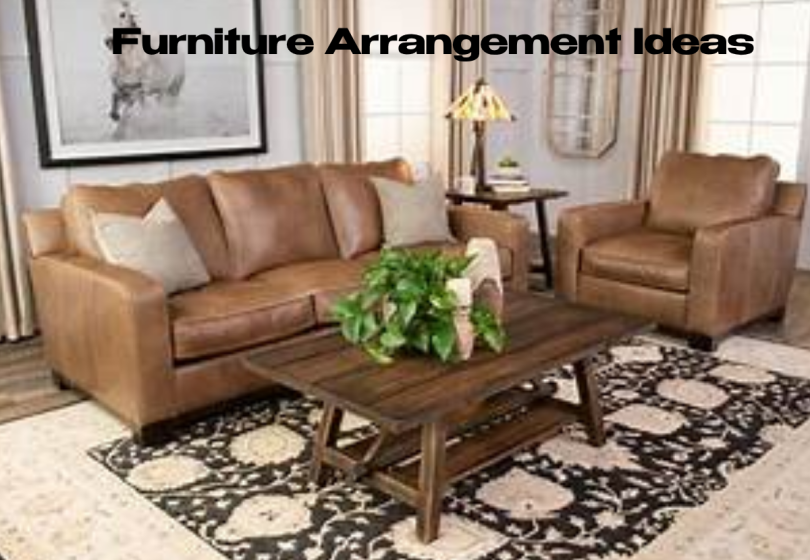
3. Create Conversation-Friendly Layouts
In living rooms especially, think about how people interact.
Good arrangement supports conversation:
- Sofa facing chairs
- Two sofas facing each other
- Chairs arranged in a circle or semi-circle
Add a coffee table in the middle to anchor the setup.
This is one of the most practical furniture arrangement ideas for social spaces.
4. Use the Rule of Balance (Not Perfect Symmetry)
Balance means visual harmony, not identical placement.
You can balance by:
- Pairing a large sofa with two smaller chairs
- Matching a tall shelf with a lamp or plant
- Distributing visual weight evenly in the room
This creates a natural and pleasing look without making everything “too perfect.”
5. Focus on Movement and Flow
A beautiful room is useless if it’s hard to walk through.
Make sure:
- Walkways are clear (at least 2–3 feet)
- Doors and windows are not blocked
- Furniture does not interrupt movement
Flow is one of the most overlooked furniture arrangement ideas, but it has a huge impact on comfort.
6. Define Areas Using Rugs
Rugs help divide space without walls.
You can use rugs to:
- Separate living and dining areas
- Anchor seating arrangements
- Add structure to open spaces
A rug acts like a “visual foundation” for your furniture.
7. Always Identify a Focal Point
Every room needs a visual center.
Common focal points include:
- Television
- Window view
- Fireplace
- Accent wall
Arrange furniture around this focal point so the room feels organized and intentional.
8. Don’t Be Afraid of Angles
Straight lines are safe—but angles add personality.
Try:
- Diagonal chairs in corners
- Slightly angled sofas
- Off-centered side tables
This makes your space feel modern and less rigid.
9. Leave Breathing Space
Empty space is not wasted space.
It:
- Makes rooms look larger
- Reduces clutter feeling
- Improves visual comfort
A well-designed room always has balance between furniture and open space
You may also like to read these posts:
Best Furniture for Small Spaces
Benefits of Good Furniture Arrangement Ideas
Now let’s talk about why learning furniture arrangement ideas is actually worth your time.
1. Makes Small Spaces Look Bigger
Smart layout tricks create visual openness even in small rooms.
2. Improves Comfort and Usability
Everything becomes easier to use when furniture is in the right place.
3. Enhances Aesthetic Appeal
Even basic furniture looks stylish when arranged properly.
4. Better Movement and Flow
You can move freely without obstacles or tight spaces.
5. Creates Emotional Comfort
A well-arranged room feels calm, welcoming, and less stressful.
6. Saves Money
Instead of buying new furniture, you improve what you already have.
Drawbacks of Furniture Arrangement (Yes, There Are Some)
Even though furniture arrangement ideas are extremely useful, there are a few challenges you should know.
1. Time-Consuming Experimentation
You may need to move furniture multiple times before finding the perfect setup.
2. Limited Options in Small Rooms
Small or irregular-shaped rooms can restrict placement choices.
3. Heavy Furniture Issues
Large items like sofas or beds are difficult to move alone.
4. Risk of Poor Layout Decisions
Without planning, you might create a layout that looks worse than before.
5. Requires Planning and Patience
Good design doesn’t happen instantly—it takes thought and adjustment.
Final Thoughts
At the end of the day, great interior design is not about expensive furniture—it’s about smart placement. The right furniture arrangement ideas can completely transform your home without spending much money.
Start simple. Move one item. Observe the difference. Then adjust slowly.
FAQs About Furniture Arrangement Ideas
1. What are furniture arrangement ideas?
Furniture arrangement ideas are simple strategies used to place furniture in a room in a way that improves space, comfort, movement, and overall appearance. The goal is to make a room look organized, functional, and visually balanced without needing new furniture.
2. How do I start arranging furniture in a room?
Start by:
Understanding the purpose of the room (living, sleeping, working)
Identifying the focal point (TV, window, bed, etc.)
Measuring your space
Placing the largest furniture first (sofa, bed, table)
Adjusting smaller items around it
3. What is the most common mistake in furniture arrangement?
The most common mistake is pushing all furniture against the walls. This makes the room feel empty in the middle and less cozy. Instead, try creating small zones or conversation areas.
4. How can I make a small room look bigger with furniture arrangement?
You can:
Use light-colored furniture
Avoid overcrowding the room
Keep walkways clear
Use multi-functional furniture
Place furniture away from walls slightly to create depth
5. Should furniture always be symmetrical?
No, symmetry is not necessary. Balance is more important than perfect matching. You can mix different sizes and shapes as long as the overall visual weight feels even.
Conclusion
The right furniture arrangement can make any room feel more comfortable, functional, and visually appealing. By considering room size, traffic flow, and the purpose of the space, you can create a layout that maximizes both style and usability. Experiment with different arrangements to find what works best for your home. Thoughtful furniture placement can transform your space and improve everyday living.